

Ultrasound
Pet Ultrasound Melbourne
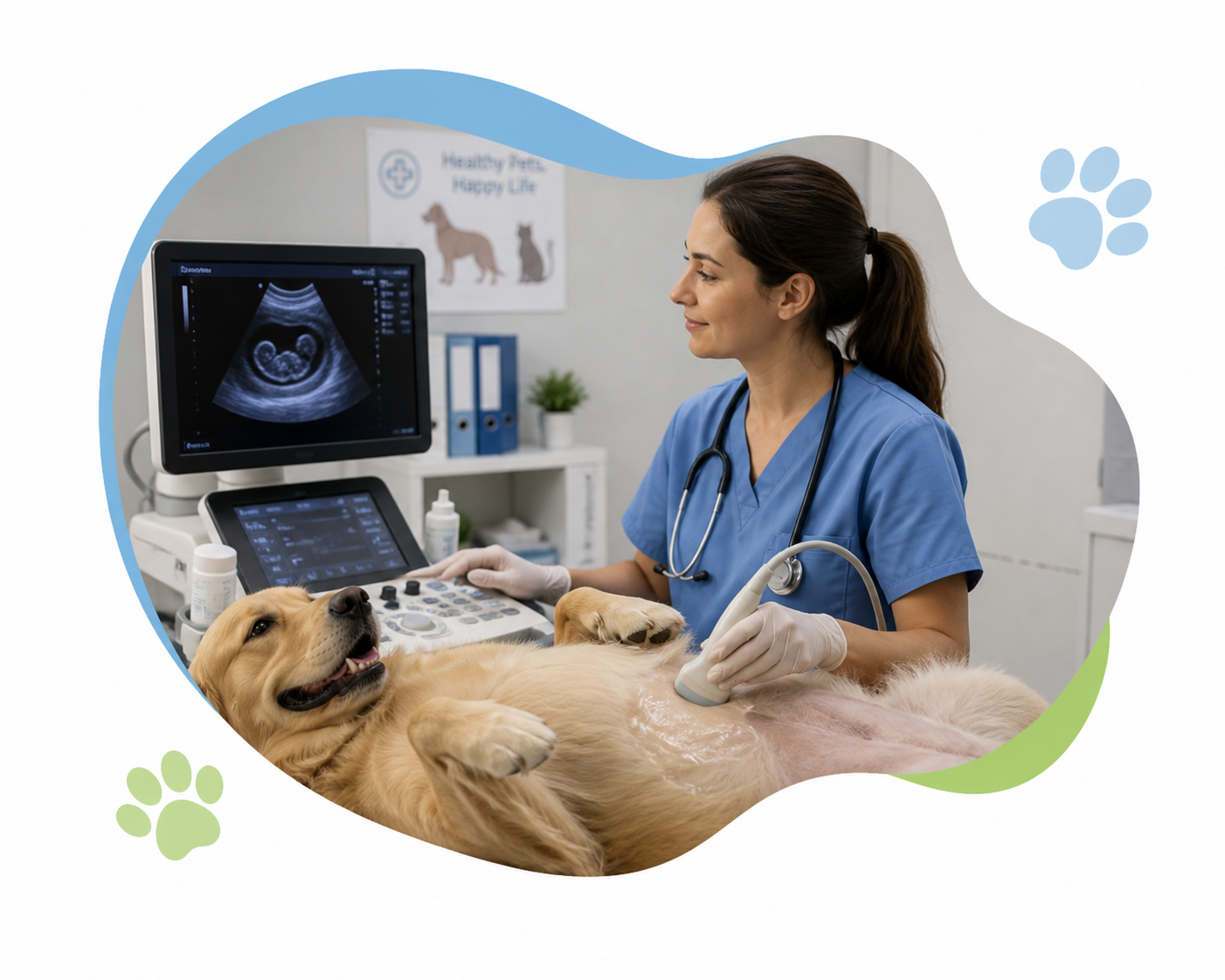
When your pet is unwell and you're not sure why, waiting feels unbearable. That's exactly where pet ultrasound Melbourne services can make all the difference. Ultrasound is a safe, painless, radiation-free imaging tool that allows our vets to see inside your pet's body in real time — examining organs, detecting abnormalities, and guiding the right diagnosis without a single incision.
Whether you have a dog showing signs of abdominal discomfort, a cat who has gone off their food, or you simply want reassurance after a worrying symptom, veterinary ultrasound gives us a detailed look at what's happening internally. Our Melbourne vet clinic is equipped with advanced ultrasound technology and staffed by experienced vets who use it every single day.
From routine investigations to urgent concerns, we're here to get you answers — and get your pet on the path to feeling better.
What Is Pet Ultrasound?
Pet ultrasound — also called veterinary sonography or diagnostic ultrasonography — is a non-invasive imaging technique that uses high-frequency sound waves to produce detailed images of your pet's internal structures. Unlike X-rays, which are best for bones, ultrasound excels at visualising soft tissue, fluid, and organ movement.
What Ultrasound Can Assess
- • Liver, kidneys, and spleen
- • Bladder and urinary tract
- • Intestinal tract and abdominal organs
- • Reproductive system and pregnancy monitoring
- • Heart and surrounding structures
- • Fluid accumulation and soft tissue abnormalities
Comprehensive Diagnostic Support
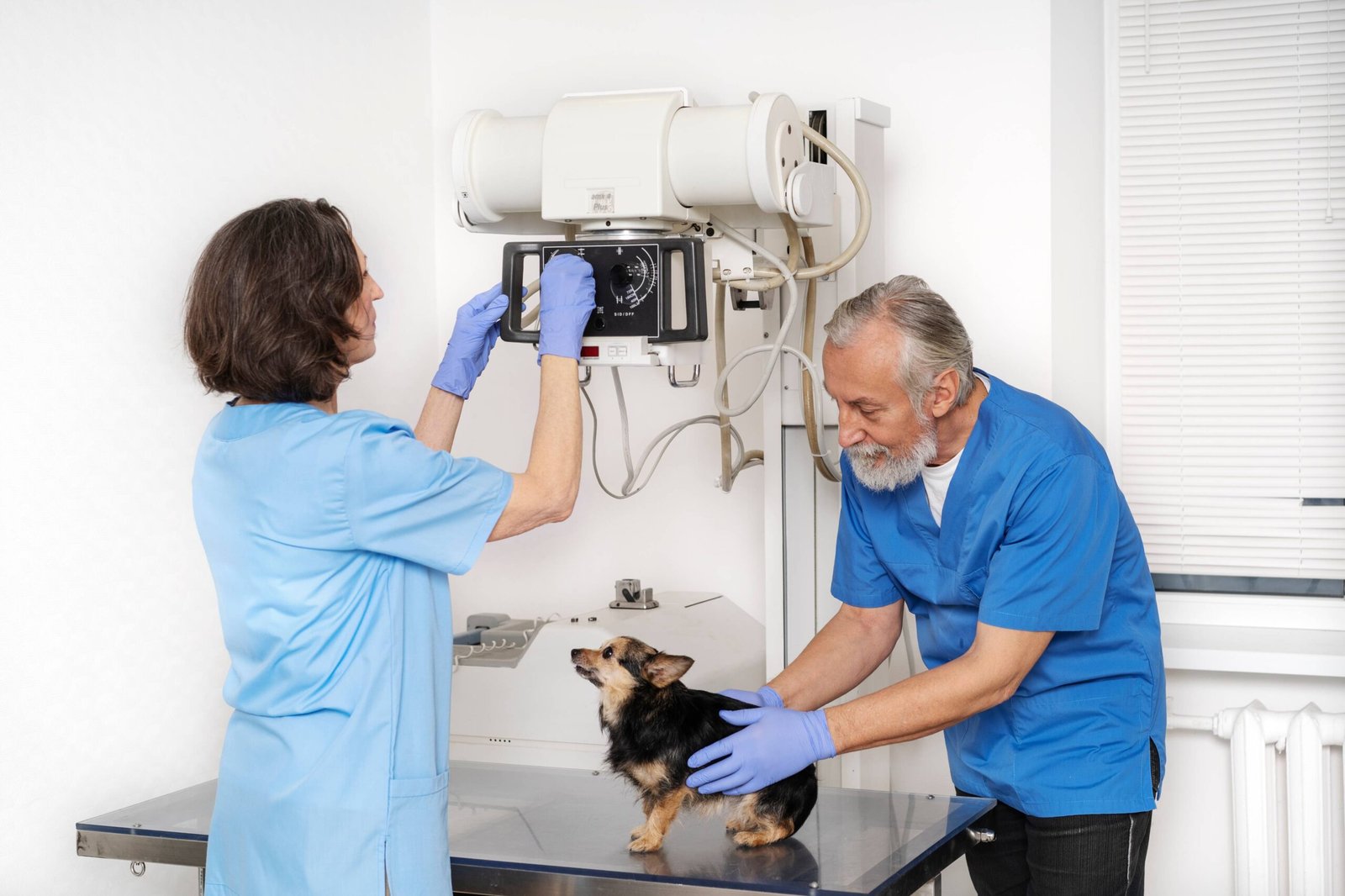
As part of our broader Veterinary Diagnostics service — which also includes pet x ray Melbourne — ultrasound gives our team a comprehensive diagnostic toolkit to accurately assess what's happening inside your pet's body. By combining multiple imaging and diagnostic methods, we can provide faster and more precise treatment recommendations.
Why Is Pet Ultrasound Important for Your Pet?
Provides real-time visualisation of internal organs including the liver, kidneys, spleen, bladder, intestines, heart, and reproductive system.
Completely pain-free and radiation-free, making it safe for pregnant animals, young pets, and those requiring repeated imaging.
Helps distinguish between different conditions such as fluid-filled cysts and solid masses.
Provides a more complete clinical picture when combined with wellness exams and blood testing.
Guides biopsies and fine needle aspirates with precision, reducing the need for exploratory surgery.
Common Signs Your Pet May Need a Veterinary Ultrasound
Persistent vomiting or diarrhoea that isn't responding to treatment
A visibly swollen, distended, or painful abdomen
Unexplained weight loss or significant appetite changes
Straining to urinate or producing little to no urine
Blood in the urine or stools without an obvious cause
A lump or mass detected during a routine physical exam
Confirmed or suspected pregnancy requiring monitoring
Abnormal bloodwork suggesting liver, kidney, or organ disease
Lethargy, weakness, or collapse with no clear explanation
Monitoring recovery after surgery or managing chronic disease
Benefits of Professional Veterinary Ultrasound
Same-day results and faster diagnosis
On-site diagnostic imaging and treatment planning
Accurate interpretation by experienced veterinarians
Non-invasive, radiation-free, and low stress
Suitable for both dogs and cats
Supports safer and more targeted treatment decisions
Can be combined with pet X-rays for a complete diagnostic picture in complex cases
Our Approach to Pet Ultrasound
Initial Consultation & Clinical Assessment
Pre-Scan Preparation
The Ultrasound Scan
Image Interpretation & Diagnosis
Clear Communication with You
Follow-Up Care & Monitoring
Conditions We Commonly Diagnose Using Pet Ultrasound
Liver disease including fatty liver, hepatitis, cirrhosis and hepatic masses
Kidney disease, cysts, stones and congenital abnormalities
Spleen enlargement, nodules and splenic torsion
Bladder stones, urinary tract masses and bladder wall abnormalities
Intestinal foreign bodies and bowel abnormalities
Adrenal gland tumours and hyperplasia
Pyometra, ovarian cysts and pregnancy confirmation
Fluid in the abdomen or chest cavity
Lymph node enlargement linked to infection, inflammation or cancer
Cardiac disease and structural heart abnormalities
Why Pet Owners Choose Our Veterinary Clinic for Ultrasound
State-of-the-Art Ultrasound Equipment
In-house ultrasound technology available for same-day imaging in most cases.
Experienced Veterinary Team
Experienced vets who take time to explain findings and involve you in decisions.
Transparent Pricing
Clear costs explained upfront with no hidden charges.
Low-Stress Environment
A calm and welcoming clinic designed to reduce anxiety for pets and owners.
Comprehensive Care
Diagnostics, treatment, preventive care and ongoing health support under one roof.
Fast Emergency Support
Rapid prioritisation for urgent ultrasound cases when every minute matters.
Frequently Asked Questions
The cost varies depending on the complexity of the scan, the area being examined, and whether additional diagnostics are required. We provide a full quote before proceeding with no hidden fees.
Yes. Ultrasound uses sound waves rather than radiation, making it safe, painless, non-invasive, and suitable for pets of all ages, including pregnant animals.
Most pets do not require sedation. If a pet is particularly anxious or uncomfortable, mild sedation may be recommended to ensure comfort and image quality.
For abdominal scans, food is usually withheld for 6–8 hours before the appointment. Water is generally permitted. We will provide specific instructions when you book.
X-rays are best for bones and chest imaging, while ultrasound is better for examining organs, soft tissues, fluid, and real-time movement. Both are often used together for a complete diagnosis.
Ultrasound can detect masses, tumours, and abnormal lymph nodes that may indicate cancer. A biopsy or fine needle aspirate is usually required to confirm a diagnosis.
Schedule Your Pet's Dental Appointment Today
Ready to give your pet the care they deserve? Book an appointment with our experienced Melbourne veterinarians today.
